
 |
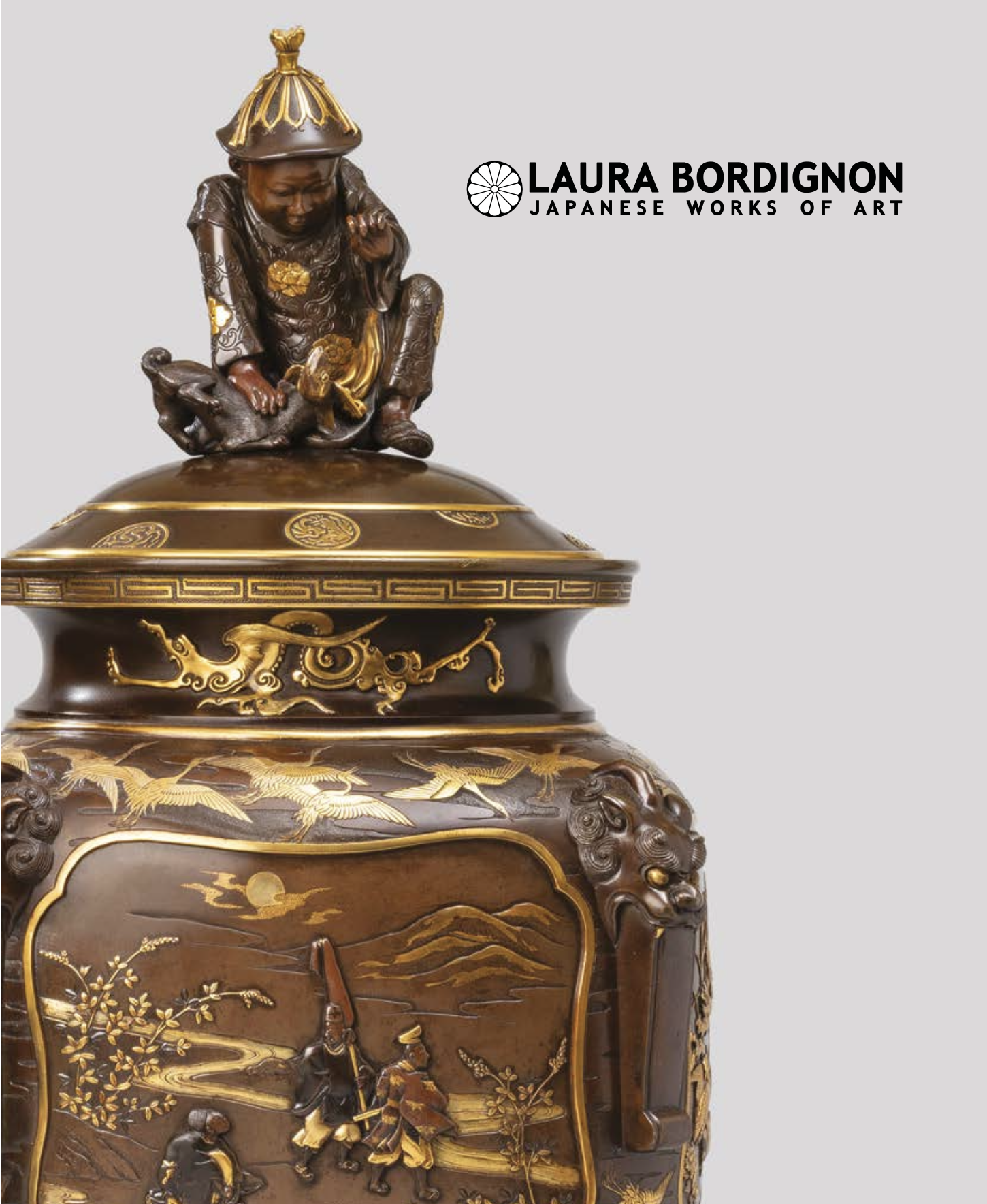
SUMMER EXHIBITION CATALOGUE. We are delighted to present our 2026 Summer Exhibition Catalogue for the Treasure House Fair, featuring an outstanding selection of Japanese metalwork, lacquer, silk textiles, silver, and cloisonné enamels that celebrate the remarkable artistry of Japan’s Meiji (1868–1912) and Taishō (1912–1926) eras. Comprehensively illustrated throughout, the catalogue brings together detailed descriptions with insights into the myths, cultural traditions, and historical context associated with each work, thereby constituting a valuable reference for collectors, researchers, and connoisseurs of Japanese art.The increasing international recognition of these exceptional works underscores the refined aesthetic sensibilities and highly sophisticated technical achievements that characterised artistic production during the Meiji and Taishō periods. Moreover, it attests to the enduring cultural and artistic legacy of Japanese artists, whose rigorous pursuit of technical and creative excellence continues to command connoisseurial admiration. 300 x 210 mm - 52pp CLICK on the publication cover to browse through each page of the catalogue. |
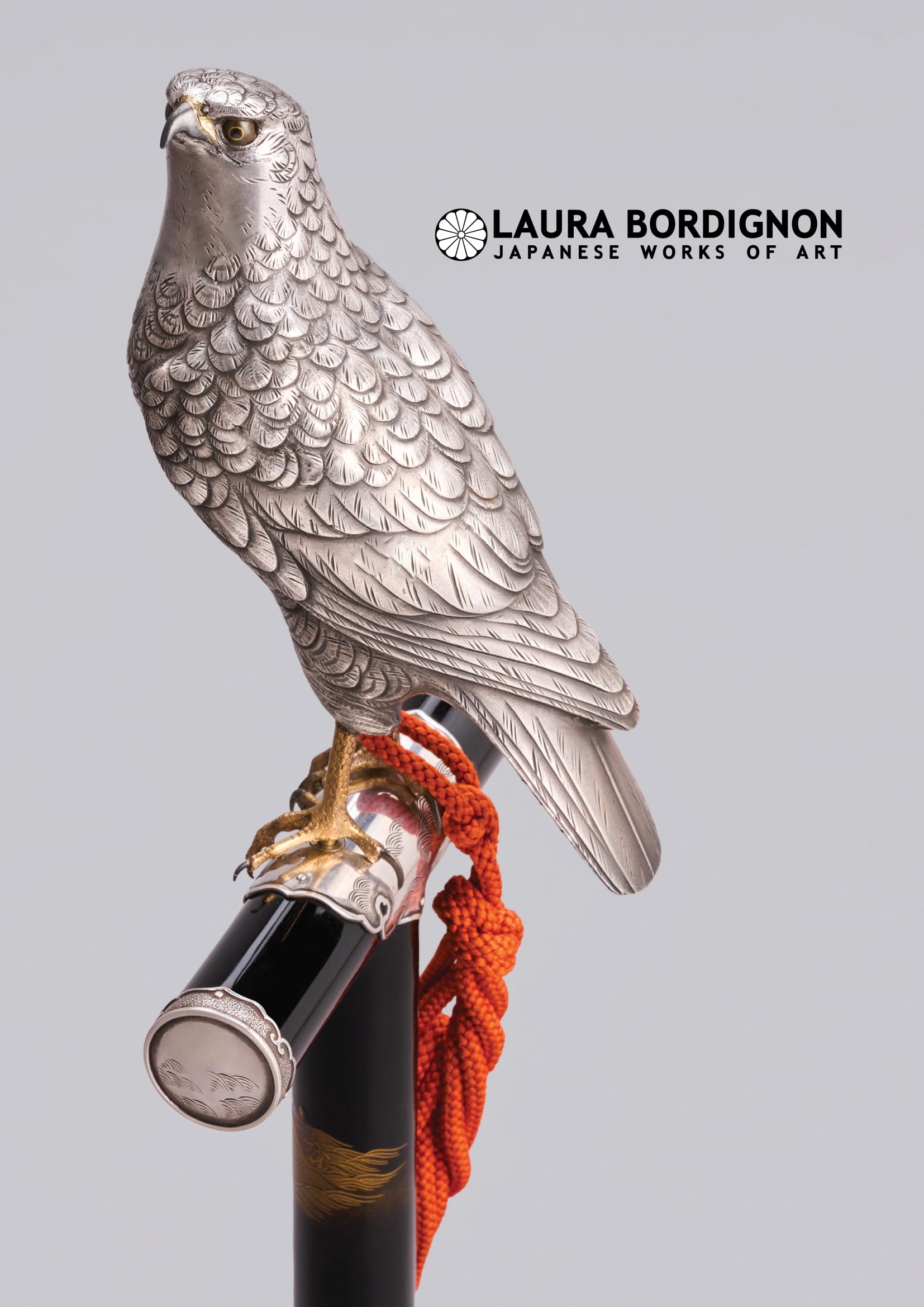 |
SUMMER EXHIBITION CATALOGUE.Presenting our 2025 Summer Exhibition Catalogue at the Treasure House Fair showcasing an exceptional selection of Japanese metalwork, silk art textiles, silver and cloisonné enamels showing the exquisite craftsmanship that flourished during Japan's Meiji (1868-1912) and Taishō (1912-1926) periods. The catalogue is beautifully illustrated alongside full descriptions and insightful explanations of the relevant myths, beliefs and historical informations, offering a critical resource for collectors, scholars and connoisseurs of Japanese art. The increasing appreciation for these exquisite artefacts stands as a testament to the refined aesthetic and technical mastery characteristic of Meiji and Taishō periods craftsmanship and reflects the enduring legacy of Japanese craftsmen who pursued excellence with unwavering dedication. 300 x 210 mm - 44pp CLICK on the publication cover to browse through each page of the catalogue. |
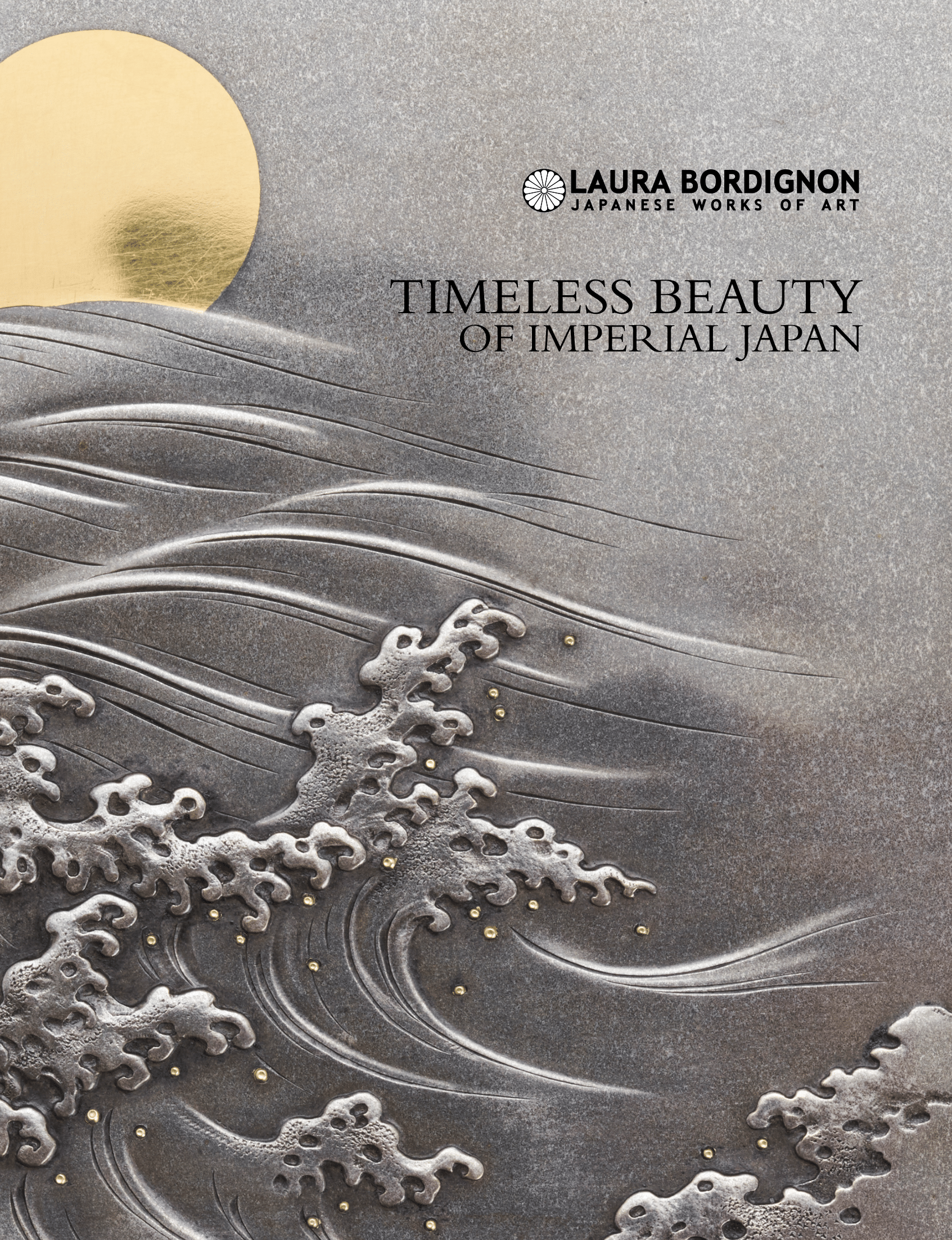 |
TIMELESS BEAUTY OF IMPERIAL JAPAN.Introducing our online exhibition publication ‘Timeless Beauty of Imperial Japan' showcasing an exquisite selection of Japanese works of art. The exhibition explores the interrelationship between the archaic symbolism and mythologies behind the beauty and the sophisticated craftsmanship found in Meiji period Japan (1868-1912). Showcasing the finest metalwork, silk art textiles, silver and Shibayama objects, the catalogue contains over 70 photographs alongside the explanations of the relevant myths, beliefs, folk tales and is an invaluable reference to art collectors and connoisseurs. The growing popularity of these beautiful artefacts is a testament to this extraordinary craftsmanship and is an important legacy for the Japanese artists who devoted themselves to this craft. 300 x 210 mm - 80pp CLICK on the publication cover to browse through each page of the catalogue. |
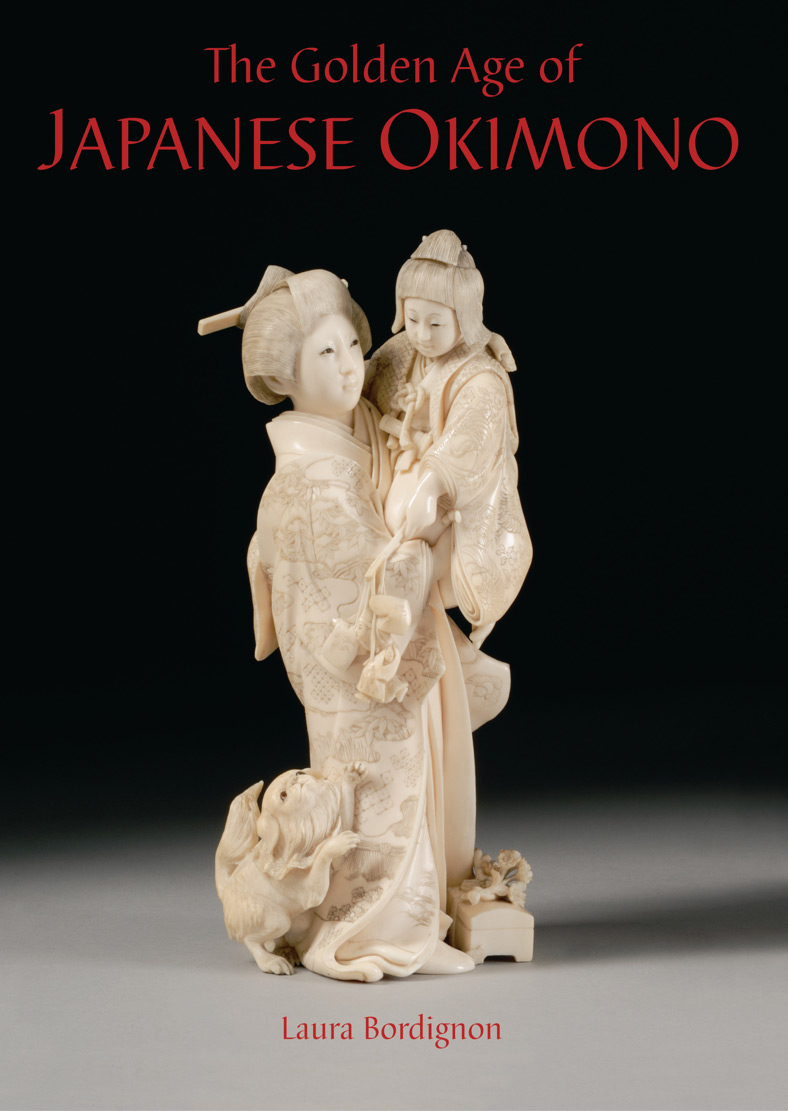 |
Book: THE GOLDEN AGE OF JAPANESE OKIMONO.300 x 237 mm - 204pp -150col Available Now - £45.00 Hardback Introducing the most comprehensive guide on Japanese Okimono artists active during the Meiji Period (1868-1912):
|
Italian-born Laura Bordignon began to specialise in Japanese art in 1997, becoming a member of the British Antique Dealers Association in 2000. Since then she has been consulted by many collectors worldwide, with requests for guidance on expanding their existing collections or to start new ones. The fast growing interest in Japanese Okimono of the Meji period has been the main catalyst for this book, as very little has been published on the subject.


